When I joined Kent State University to help launch a new Office of Corporate Engagement, the timing was… ambitious. We were building something that didn’t yet exist—an office, a culture, a strategy, and an identity—all while expectations were already high and opportunities were waiting.
There was no perfect blueprint, only a shared belief that we could better connect the university’s expertise and energy with the needs of the business community.
Start with Listening
Our first step wasn’t a logo or a database — it was listening. Faculty, deans, advancement officers, and corporate partners each had a story about past collaborations that worked and others that fizzled.
Those conversations revealed not just what we could build, but why it mattered: clarity, coordination, and confidence in how Kent State engages industry. These early meetings were instrumental in laying the groundwork with key stakeholders that allowed me to open doors and build the trust necessary for success.
Building the Plane While Flying It
There’s a certain thrill — and humility — in launching an office while simultaneously trying to deliver results. Early wins came from helping faculty and companies navigate the university more efficiently leading to more meaningful conversations at an accelerated pace. Each success became both proof of concept and an internal teaching moment.
We learned that progress doesn’t require perfection; it requires transparency, responsiveness, and a steady drumbeat of communication. Transparency and openness went a long way towards building the trust I needed with my colleagues. Not every idea and initiative is going to work, and adjustments and course corrections are signs of positive growth.
Connection and Data as a Compass
We quickly realized that the foundation of sustainable corporate engagement is shared information across our campus network. We set out to gather all of our colleagues that do external outreach to businesses and corporations and started with a simple monthly meeting we call the corporate engagement network.
On a parallel path, we set to work building a dashboard for the members of that network to have visibility into activity across multiple data platforms. The idea of sharing data is easier to digest when we start with conversations and organically develop trust among such a broad group that needs to work together to develop and elevate our partnerships.
Culture Over Structure
While systems and processes matter, culture sustains momentum. We’ve worked hard to make corporate engagement everyone’s job so that we’re all pulling in the same direction. Culture change is hard work, and it requires persistent messaging and highlighting successes.
We must demonstrate to our internal constituents how these connections and collaboration opportunities make the whole institution better. The goal isn’t centralization; it’s alignment and amplification. The more that we have done those things the more buy in we have received and the foundation for future successes is built.
The Joy of Building
Creating a new office from the ground up (and on the fly) is equal parts challenge and privilege. It requires patience, partnerships, and a willingness to learn in public. But it also brings immense satisfaction—watching silos soften, partnerships deepen, and a shared vision take root.
Of course, there is no finish line in building a collaborative culture and it requires constant effort, attention, and awareness. Our work continues, and it requires that we constantly be on auto-scan for new ideas and adjustments while maintaining a collaborative approach that builds trust and understanding.
For any institution considering a similar journey, my advice is simple: start small, communicate often, and keep your focus on relationships first. The rest follows.
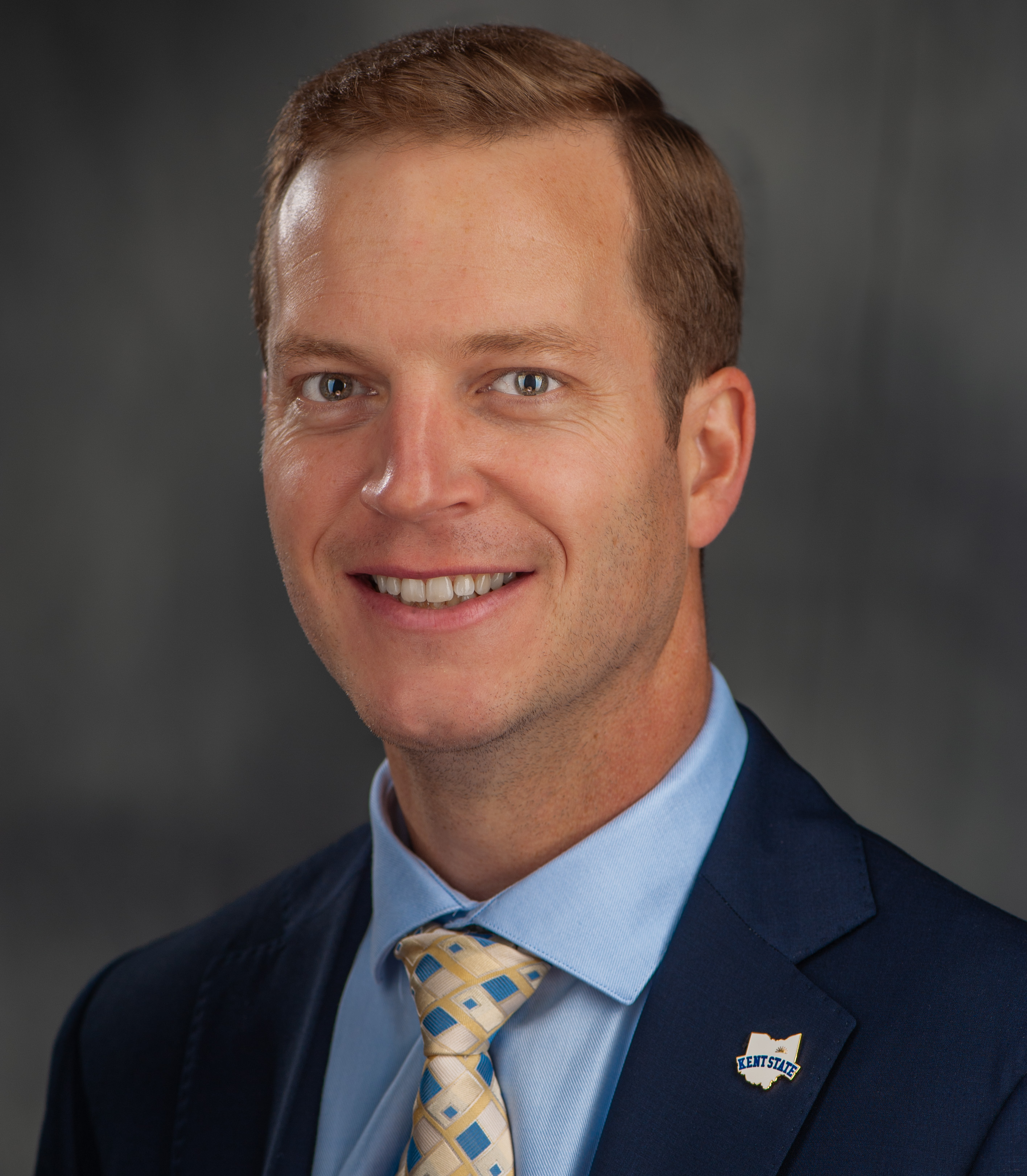
David Myers is Executive Director of the Office of Corporate Engagement at Kent State University, where he leads efforts to strengthen university-industry partnerships and align them with research, talent, and community impact.